for piano solo #1
Originally created for the National Review of Live Art, Glasgow, 1994. Conceived and performed by myself, and created with assistance from Daniel Jamieson.
Financially supported by Exeter Arts Council. Winner of the University of Sheffield Geoffrey Ost Award.
Erik Satie (1866-1925), referred to as a 'gentle mediaeval musician' by Debussy and 'indispensable' by John Cage, is often reduced to a single work, Gymnopédie No.1. A solitary and eccentric figure, Satie has proved to be a significant influence on modern music and artistic thought.
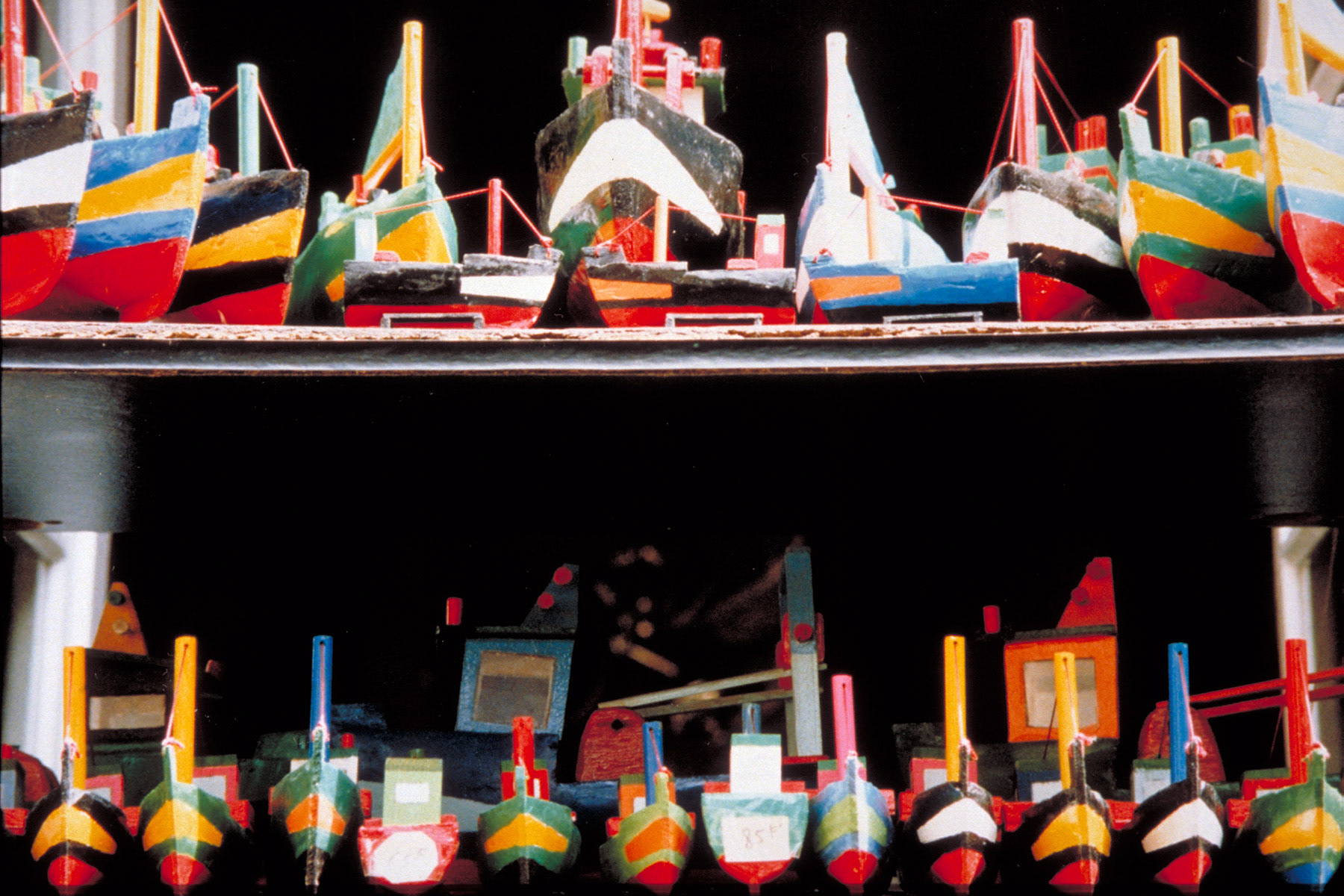
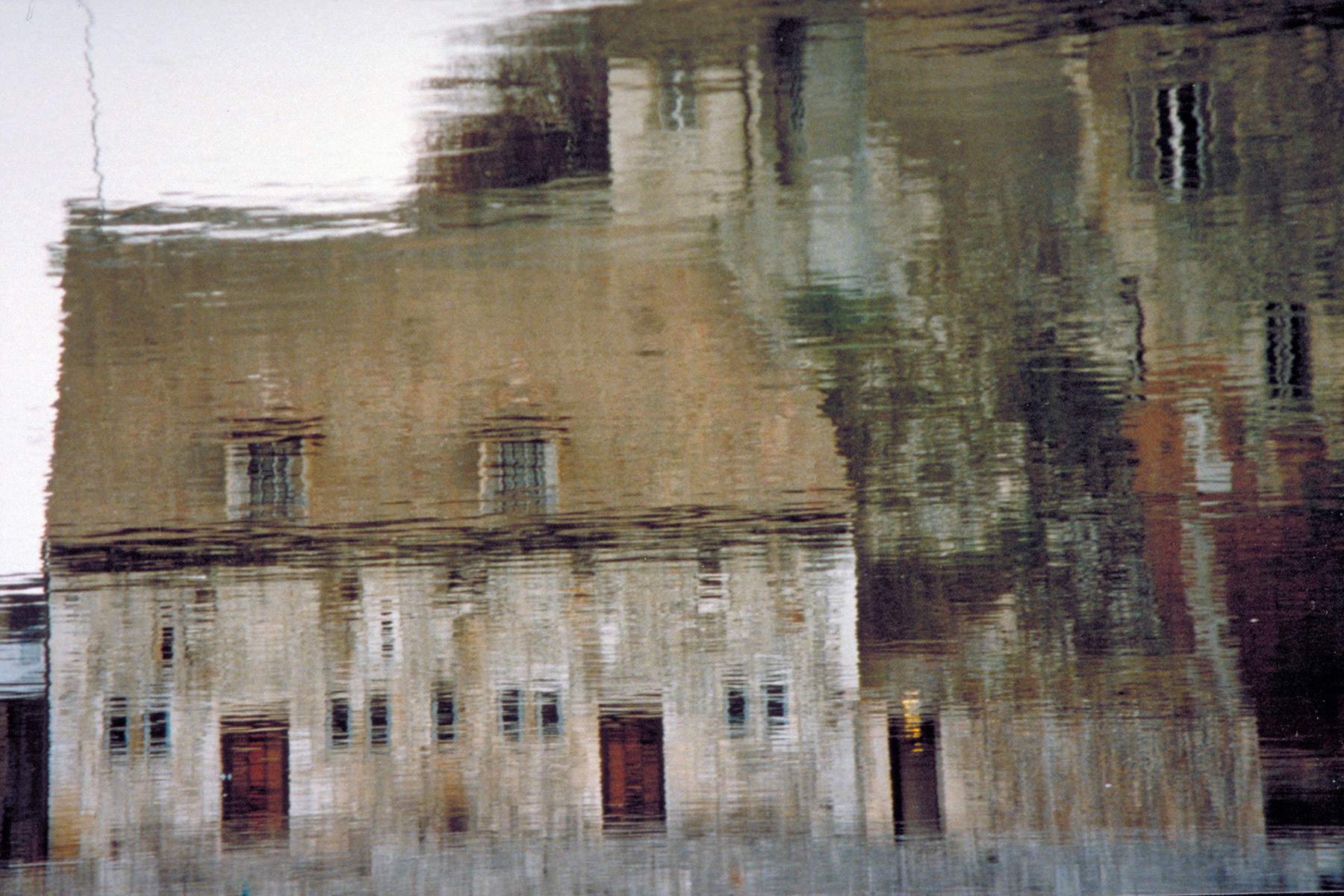
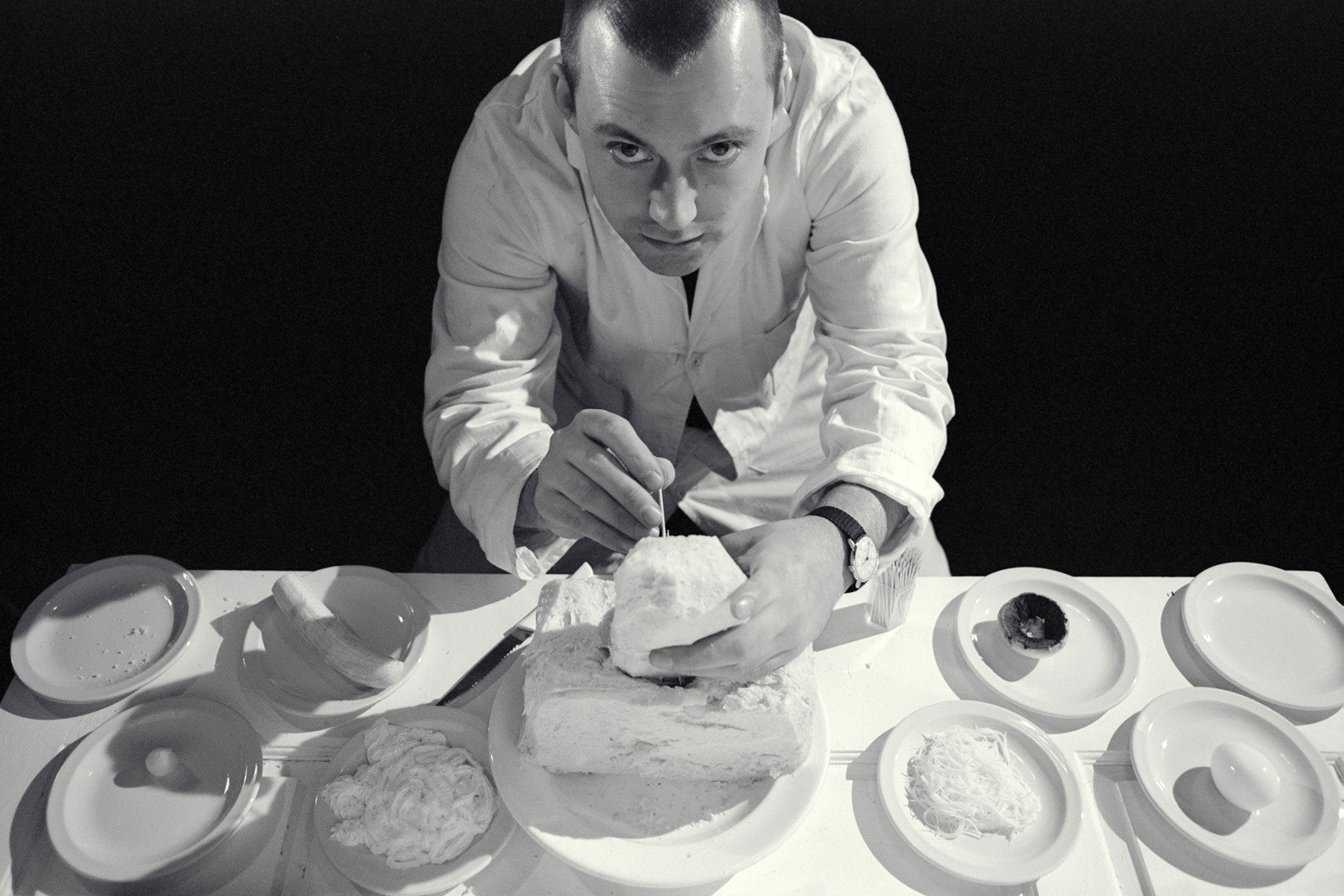
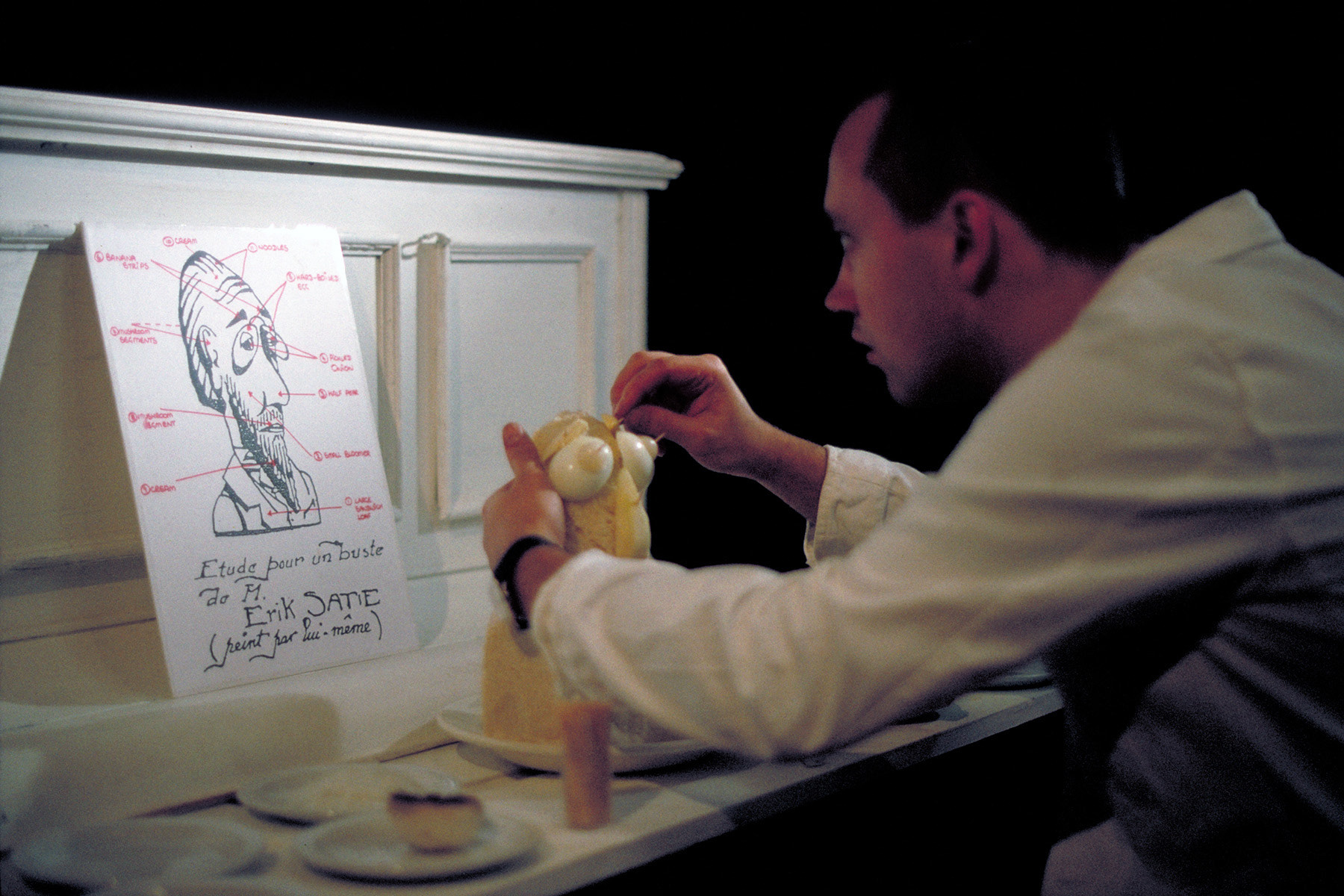
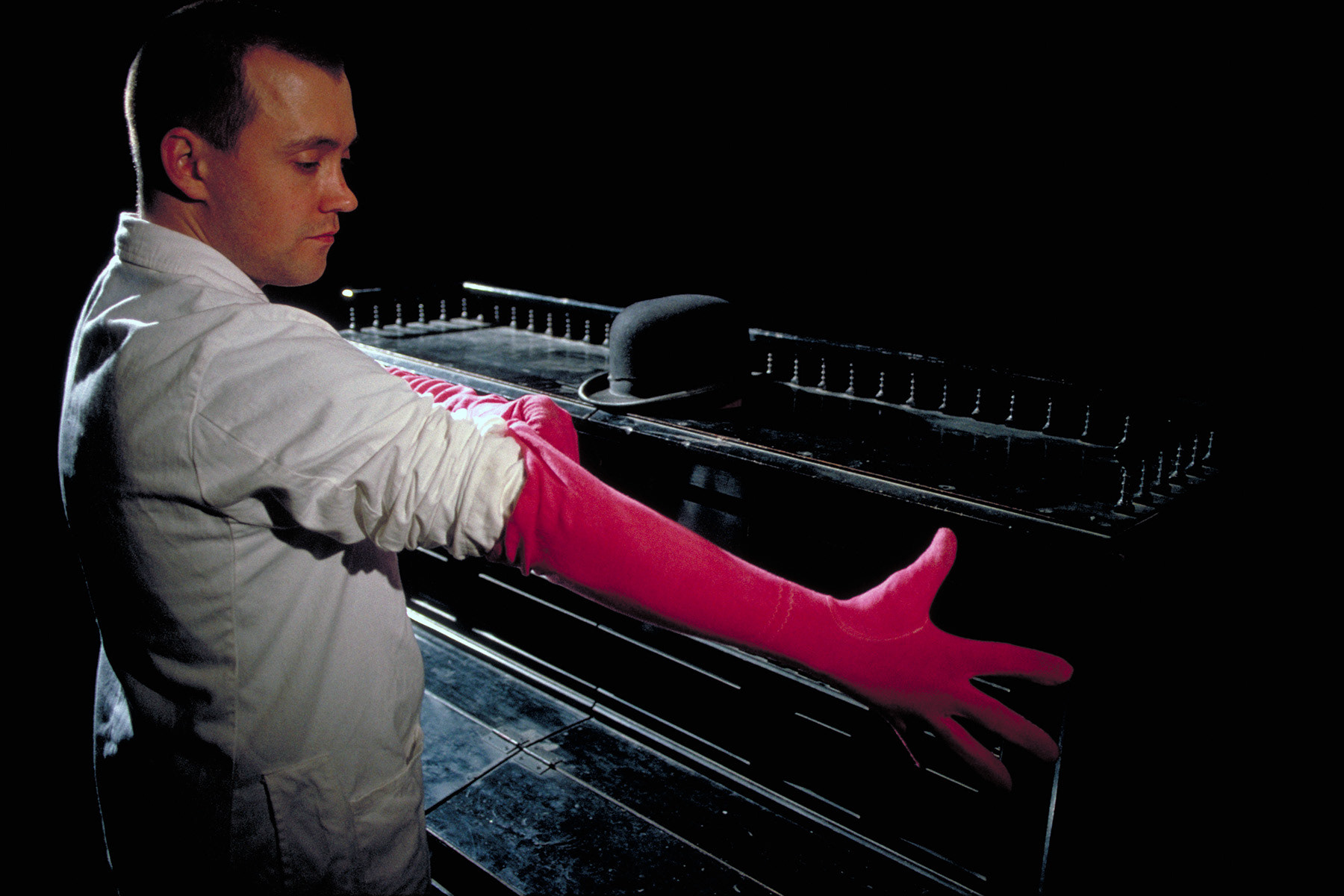
Satie regularly produced work in sets of three, taking a central idea and exploring it from three subtly different angles. The Trois Gymnopédies are a clear example of this process. for piano solo was an experiment in form. Not a theatrical biography, but rather a structural event infused with Satieness. Each score of the Trois Gymnopédies was interpreted using a bastardized piano and a different rule-system, drawing on audio field recordings and photos gathered from the environs around one of Satie's former homes, as well as research conducted into the corresponding phase of his life:
• Gymnopédie No. 1: Honfleur, his home town;
• Gymnopédie No. 2: Montmartre, the fashionable Paris district of his young adult life;
• Gymnopédie No. 3: Arcueil-Cachen, a poor Paris suburb and his home for 27 years until his death.
• Gymnopédie No. 1: Honfleur, his home town;
• Gymnopédie No. 2: Montmartre, the fashionable Paris district of his young adult life;
• Gymnopédie No. 3: Arcueil-Cachen, a poor Paris suburb and his home for 27 years until his death.
An original, inventive and sparkling creation... - Event South West, December 1994
This piece of performance art is weird and wonderful... for piano solo is intriguing, visually stunning and makes a case for performance art allied to a suitable subject. - The Stage, 20 April 1995
Images: Stephen Hodge, George Falloon, Matt Fletcher.
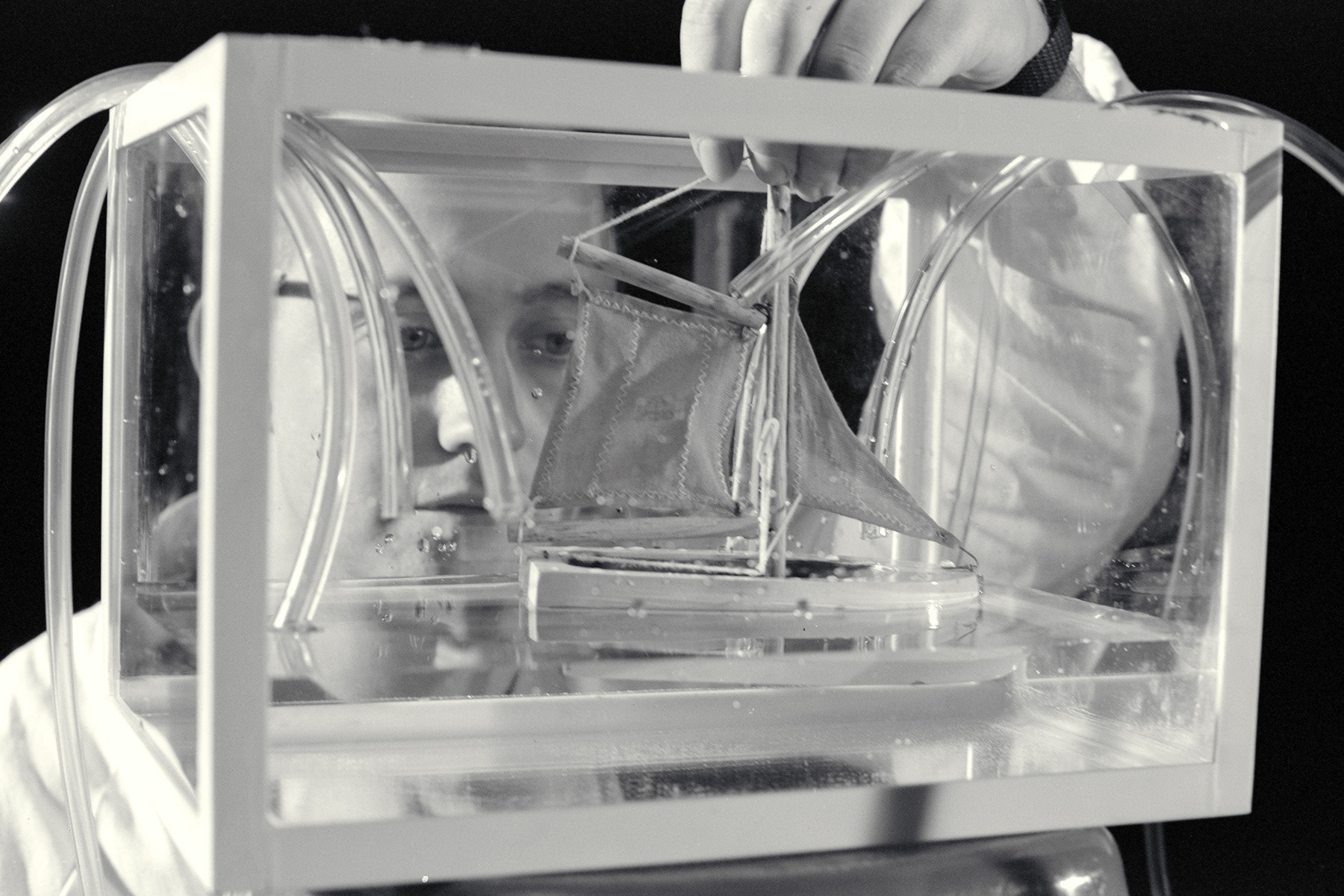
Gymnopédie No. 1
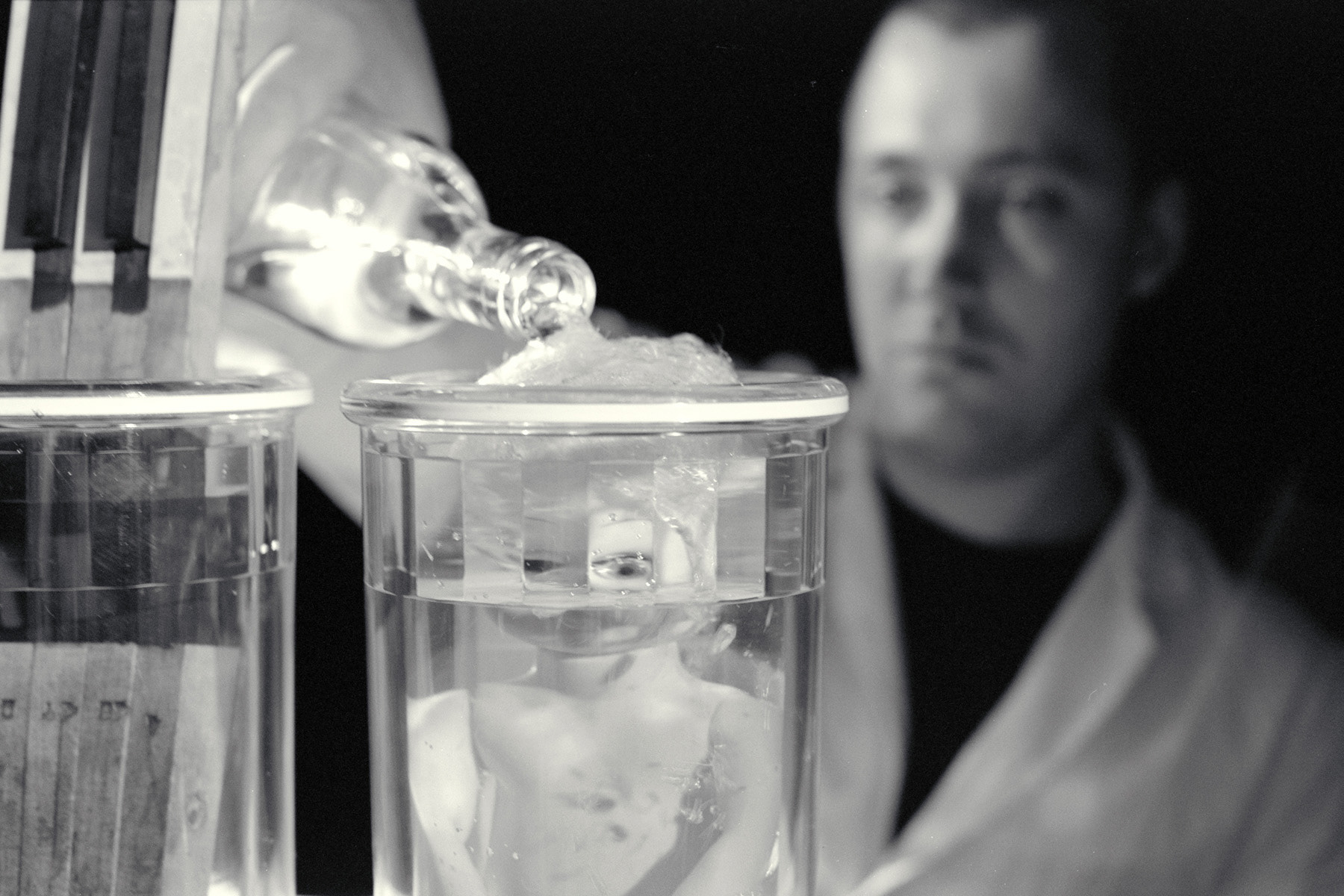
Gymnopédie No. 1
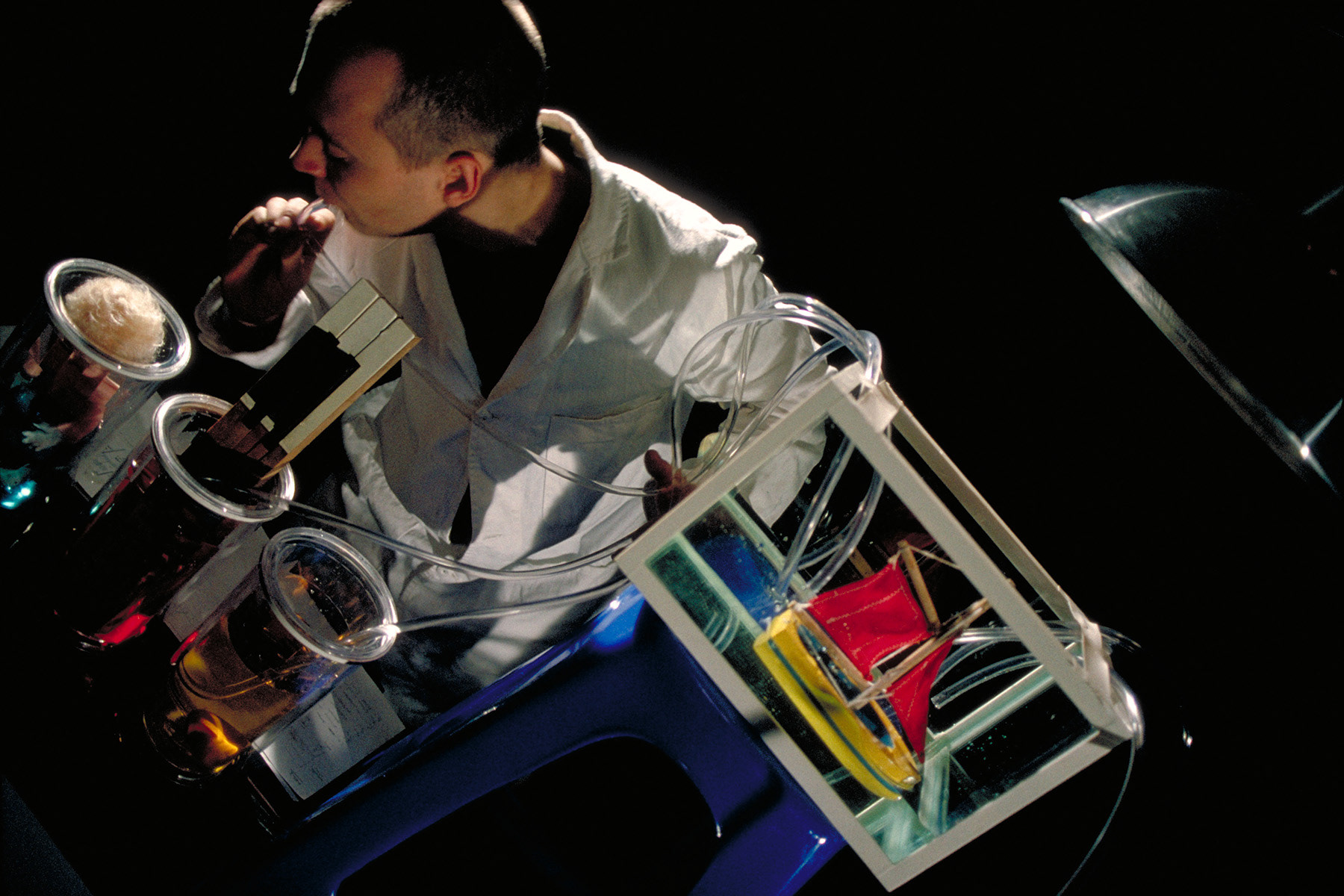
Gymnopédie No. 1
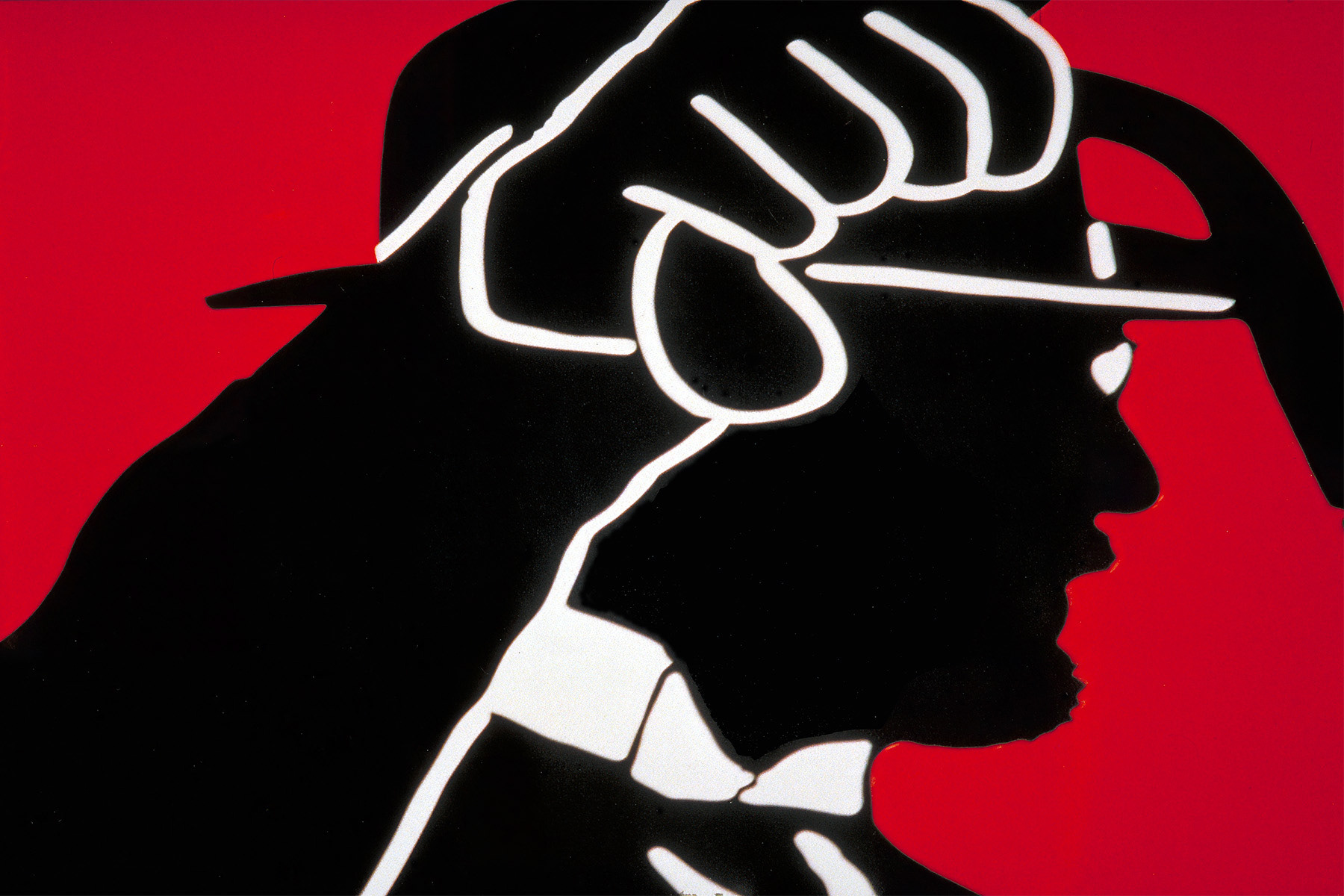
Image of Satie outside Maisons Satie, Honfleur
Honfleur reconnaissance photo
Honfleur reconnaissance photo
Gymnopédie No. 2
Gymnopédie No. 2
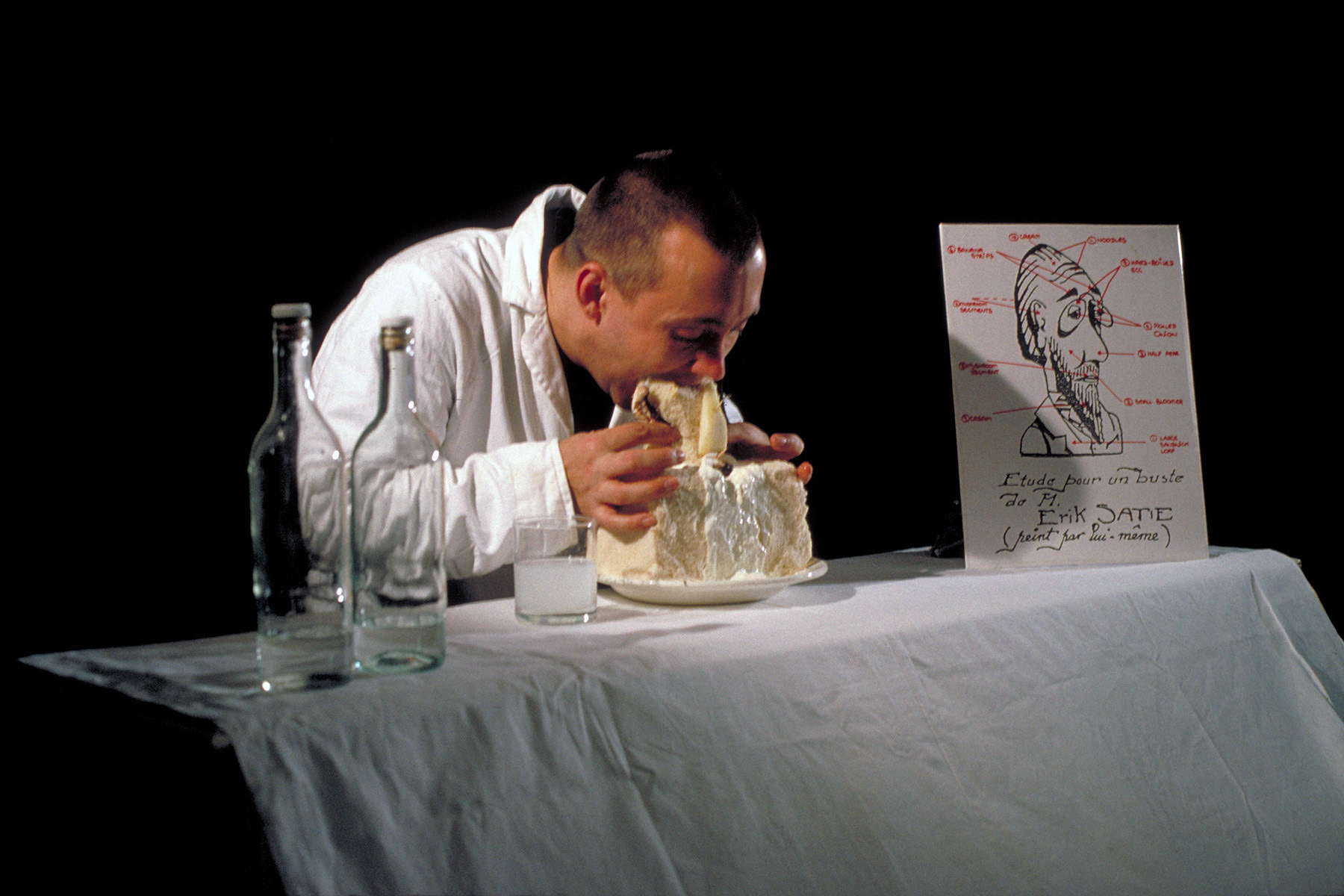
Gymnopédie No. 2
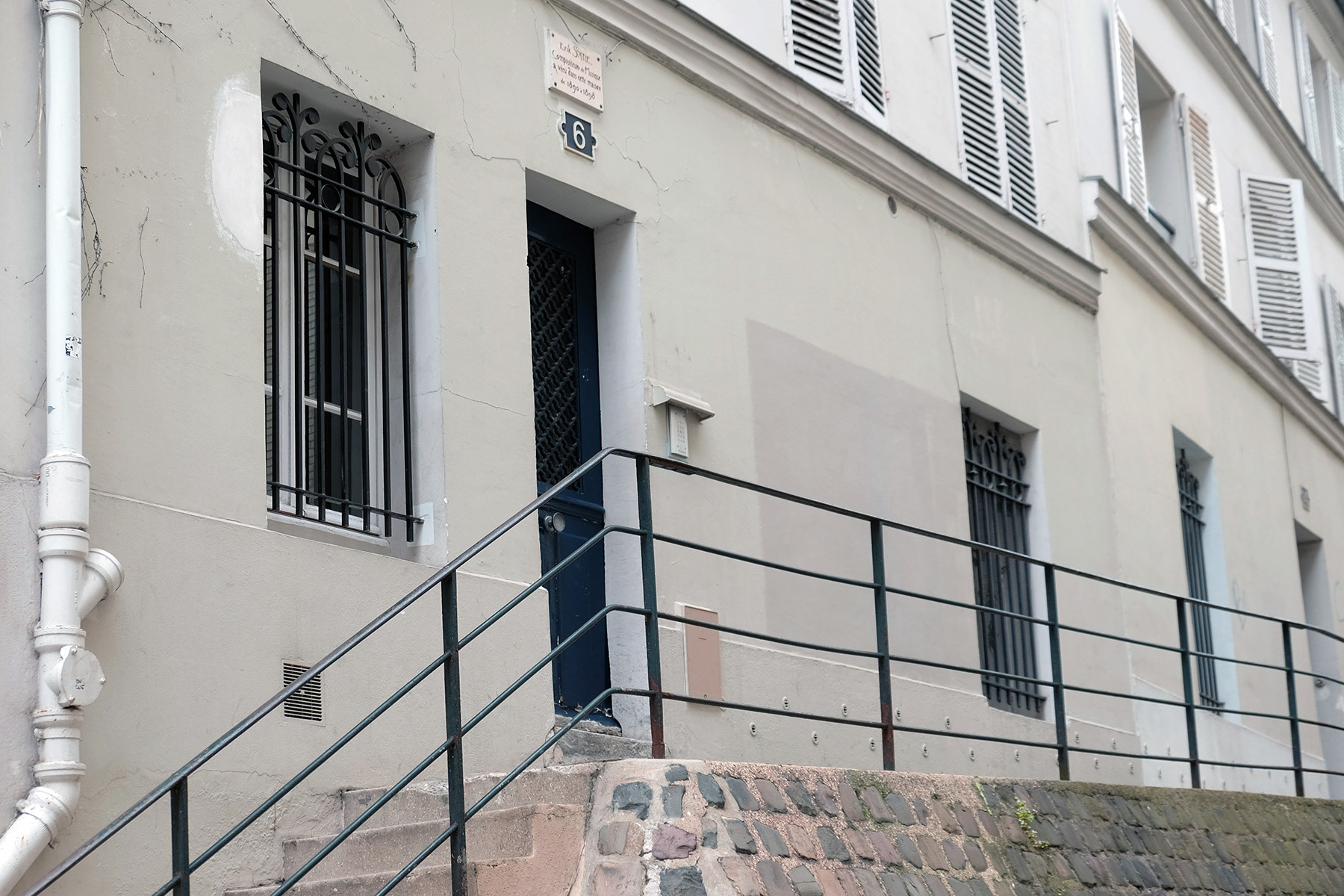
Satie's former house, Montmartre
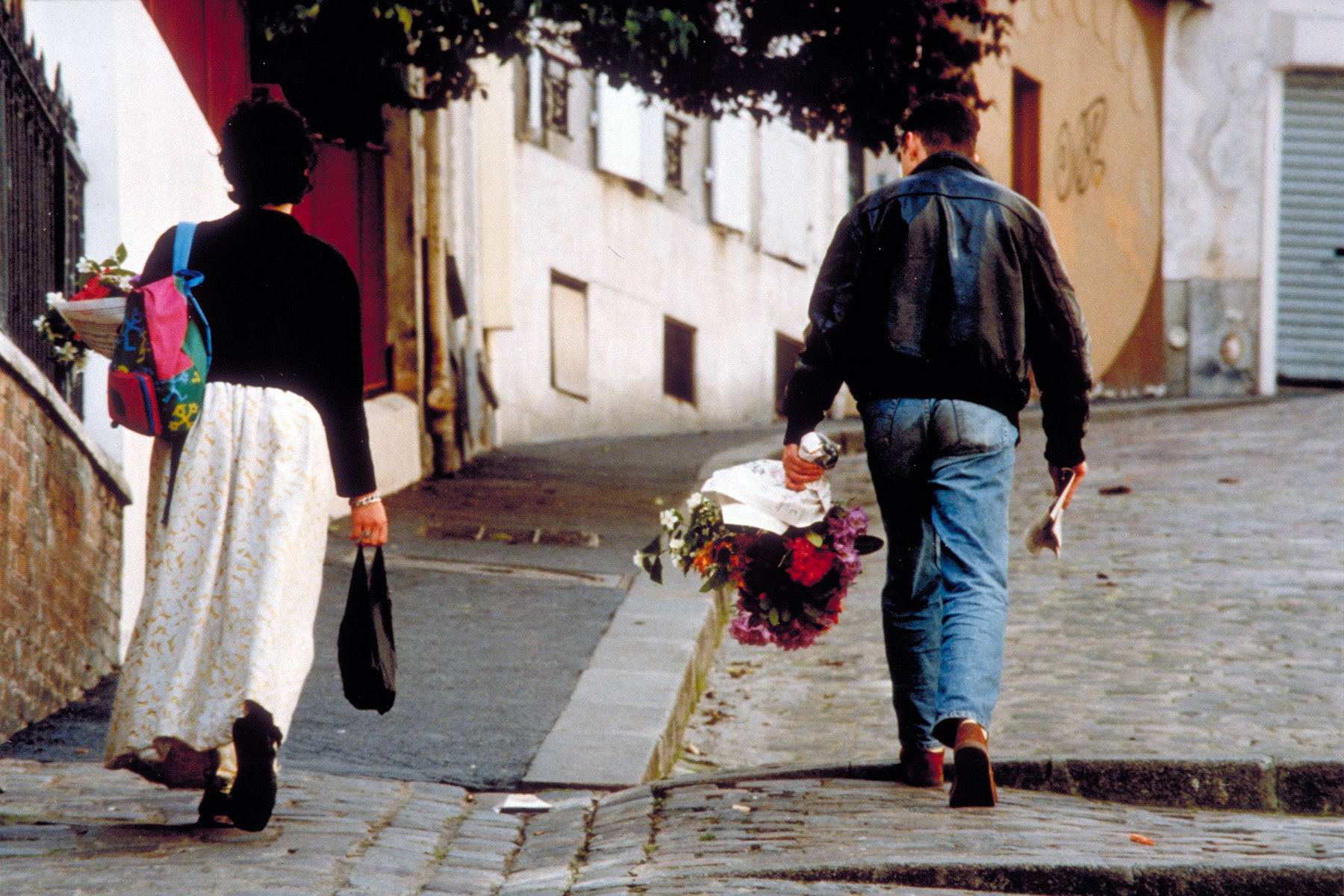
Montmartre reconnaissance photo
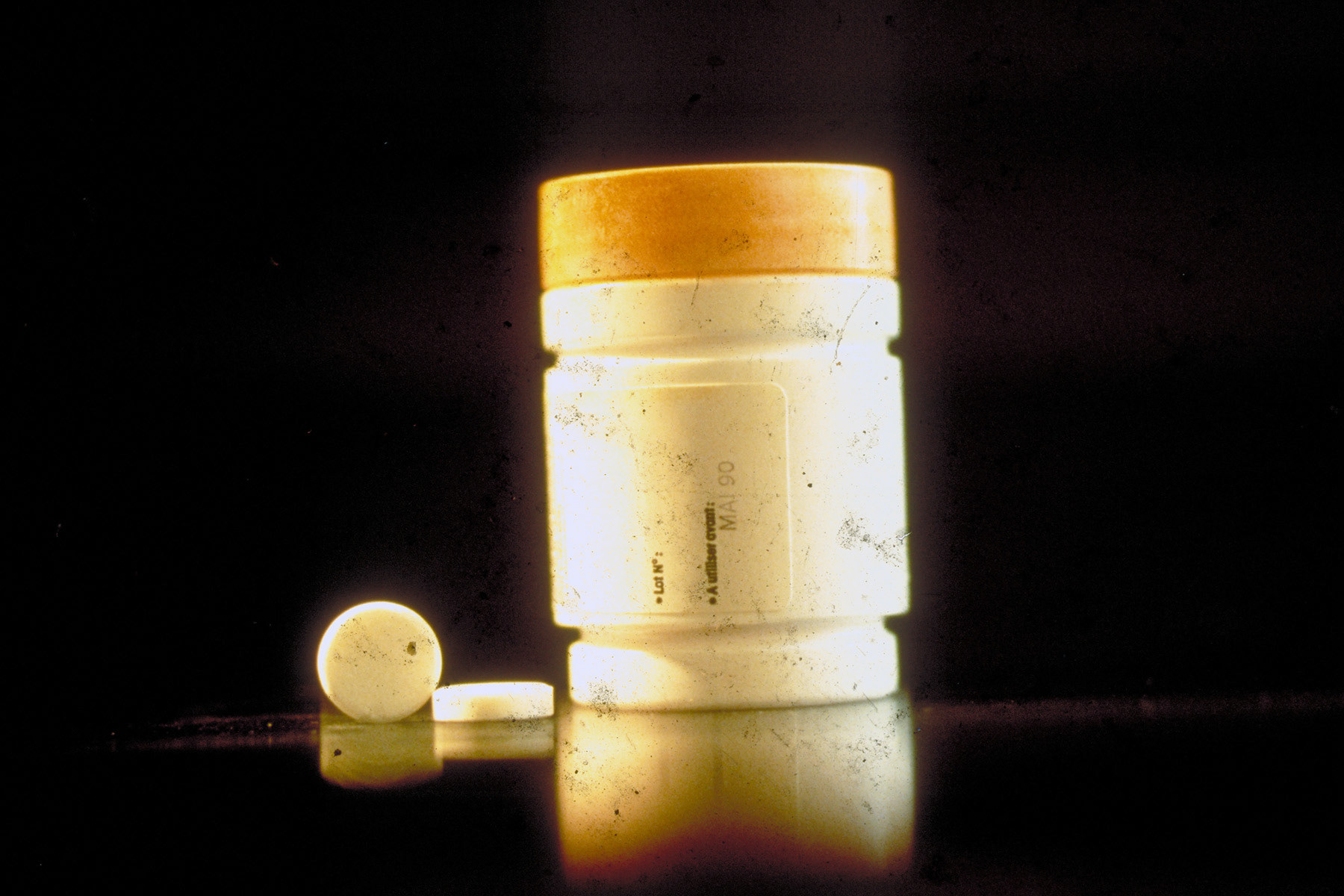
A slide found on a Montmartre pavement
Gymnopédie No. 3
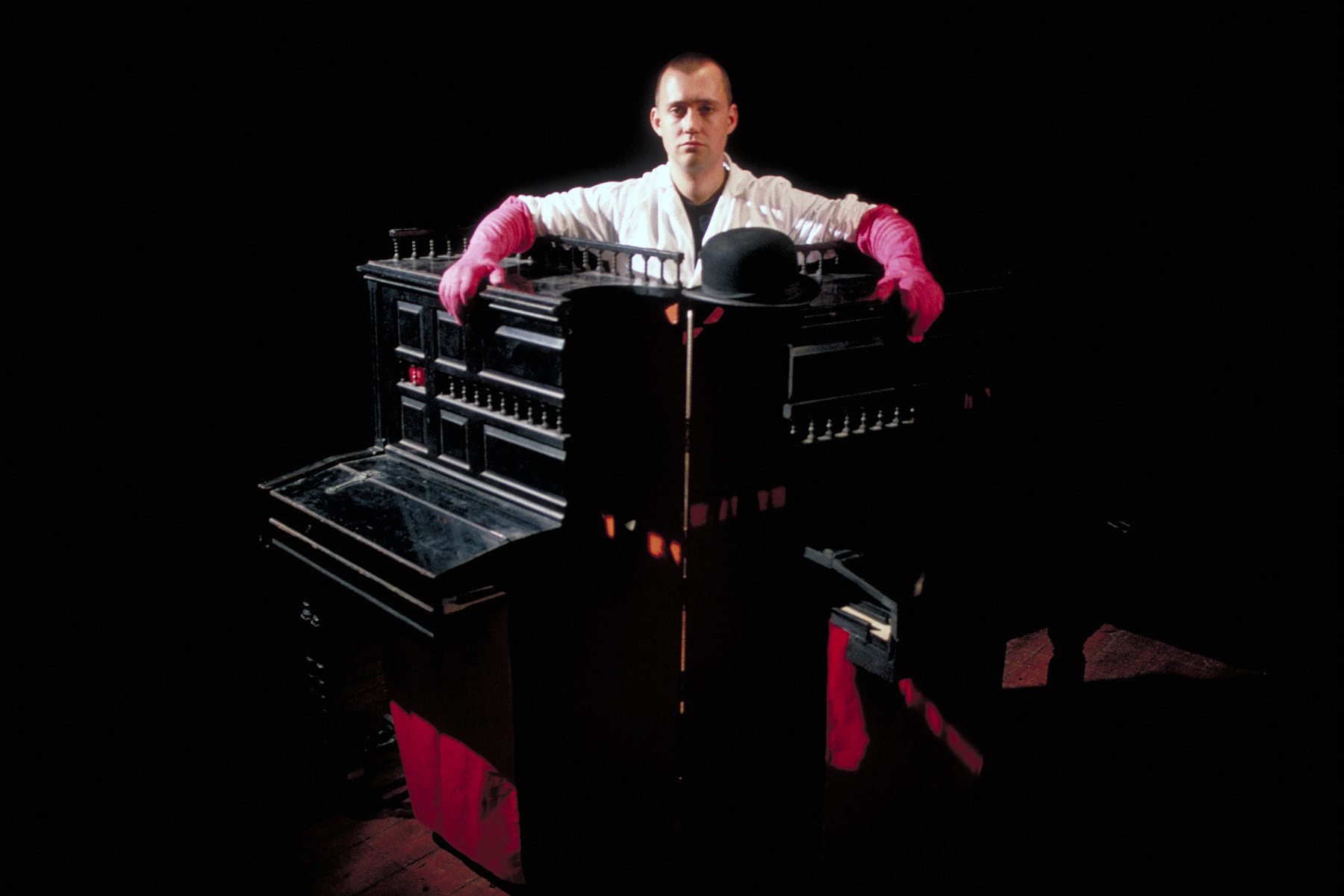
Gymnopédie No. 3
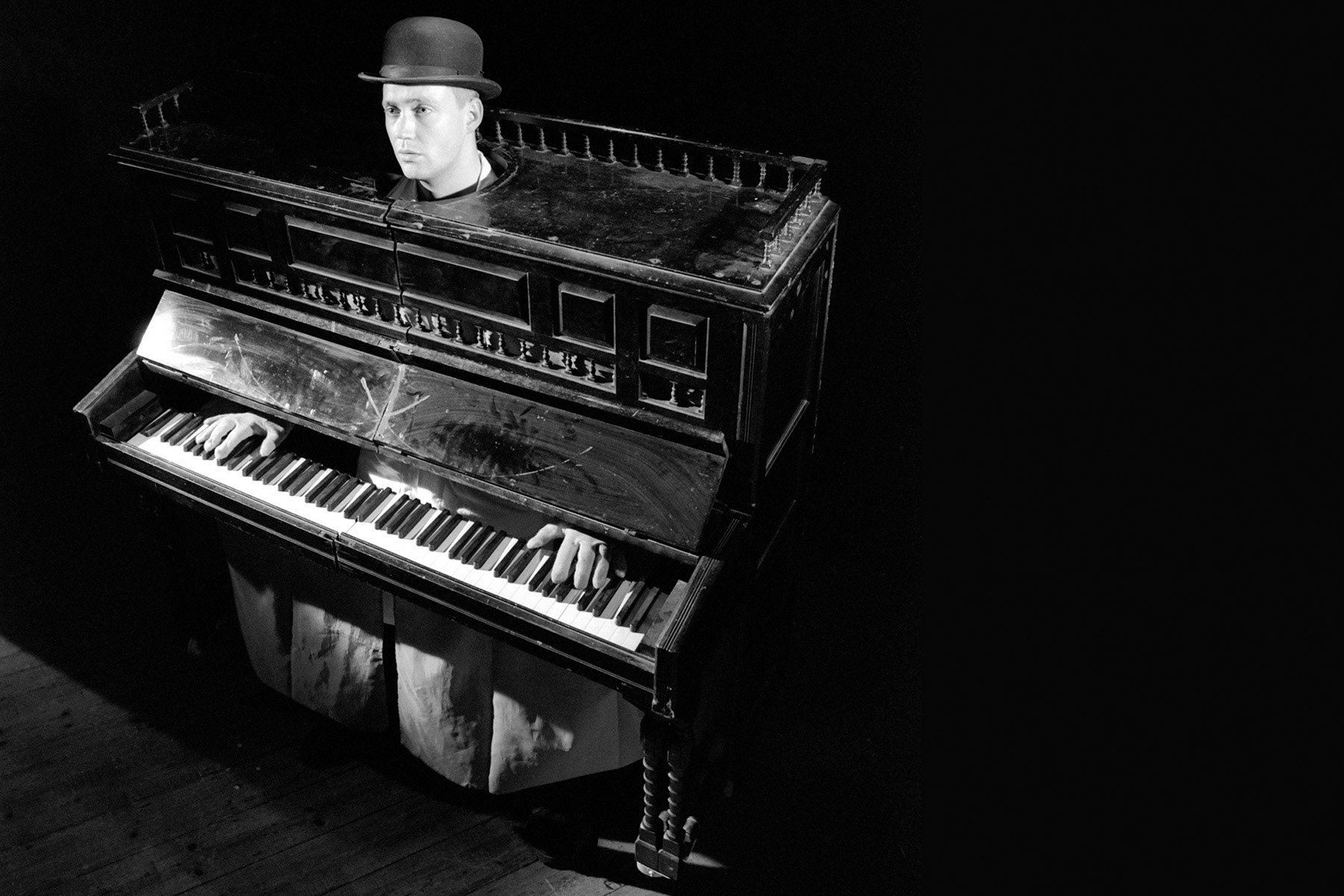
Gymnopédie No. 3
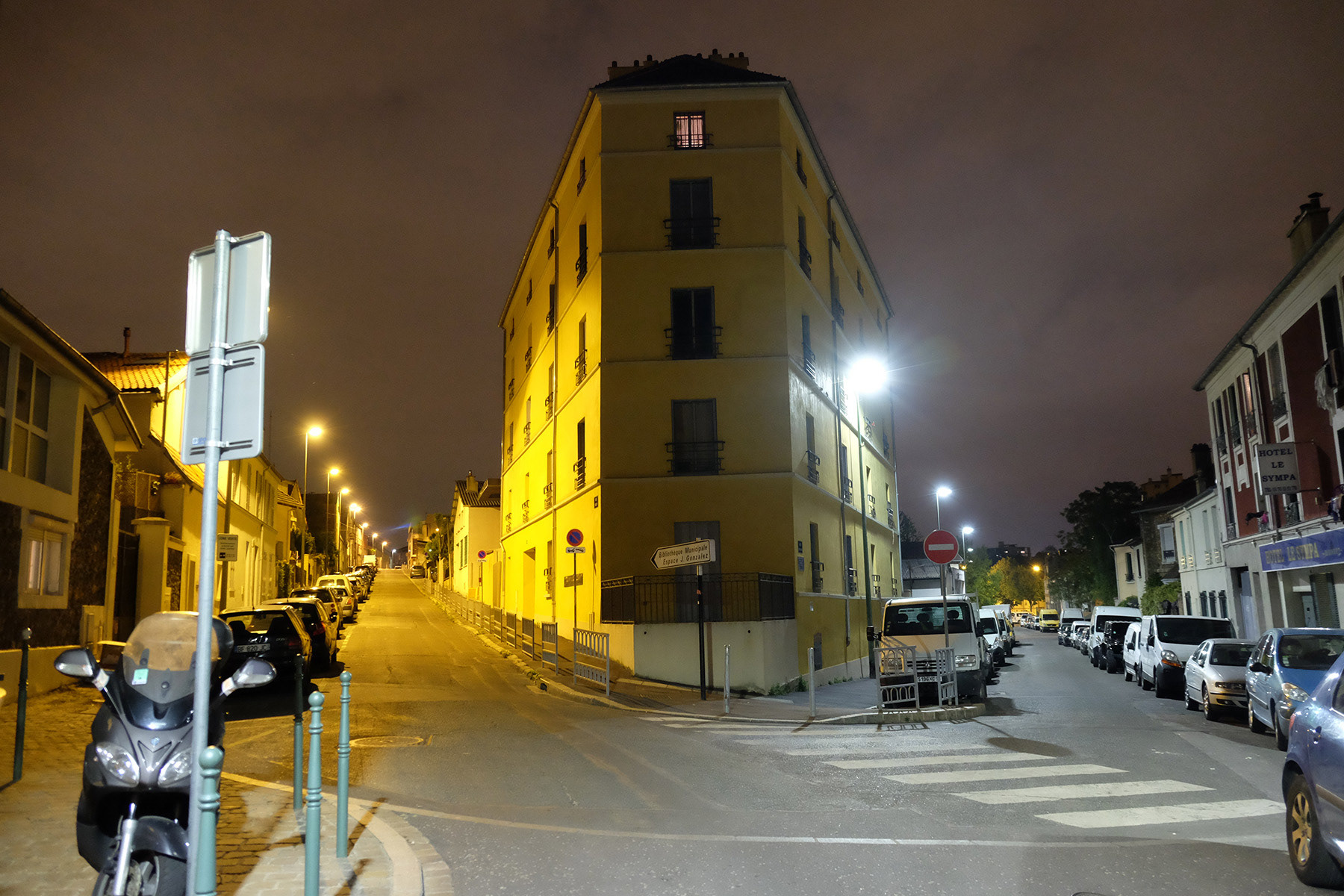
Satie's former house, Arcueil-Cachen
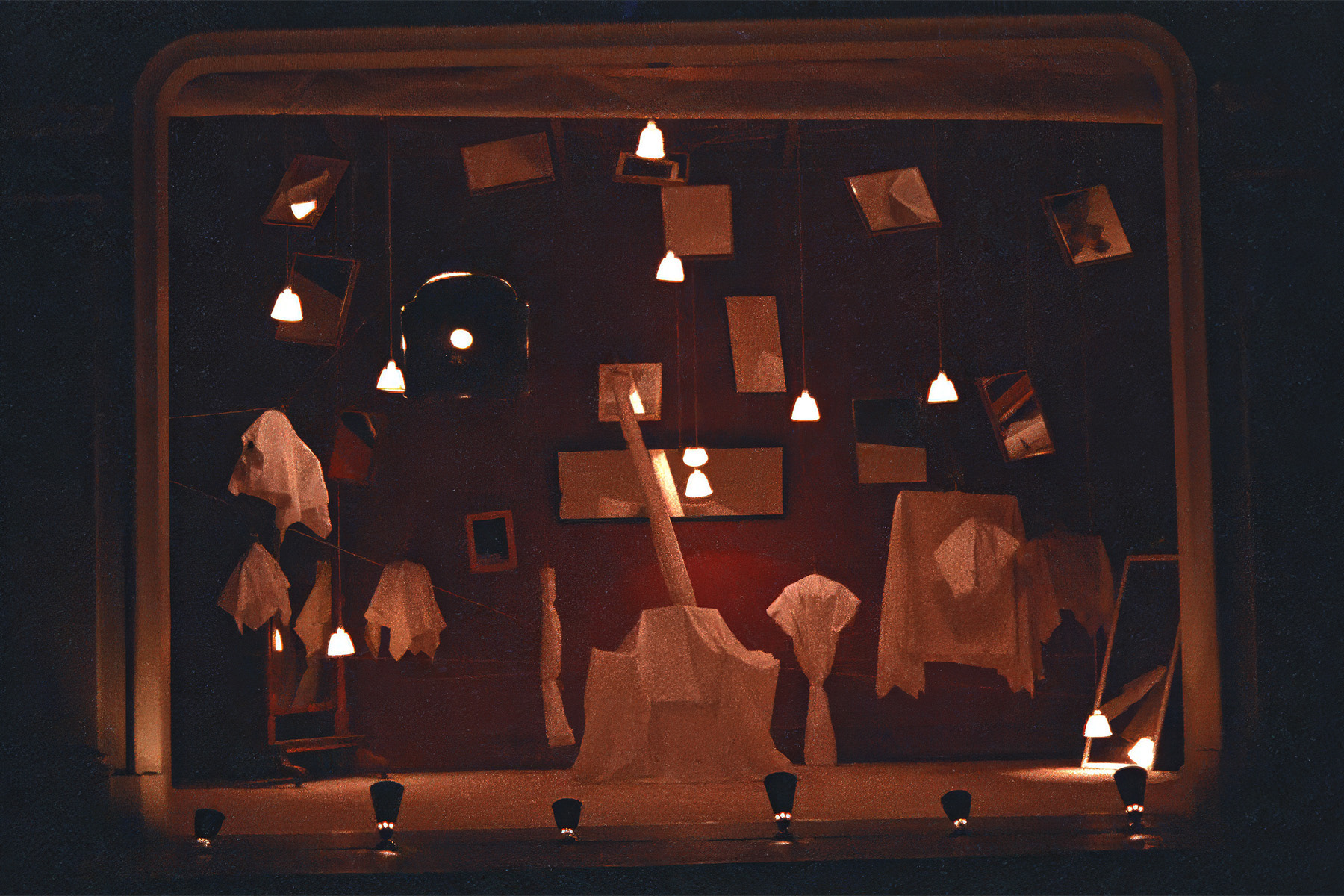
Installation for extended 1995 performance sequence
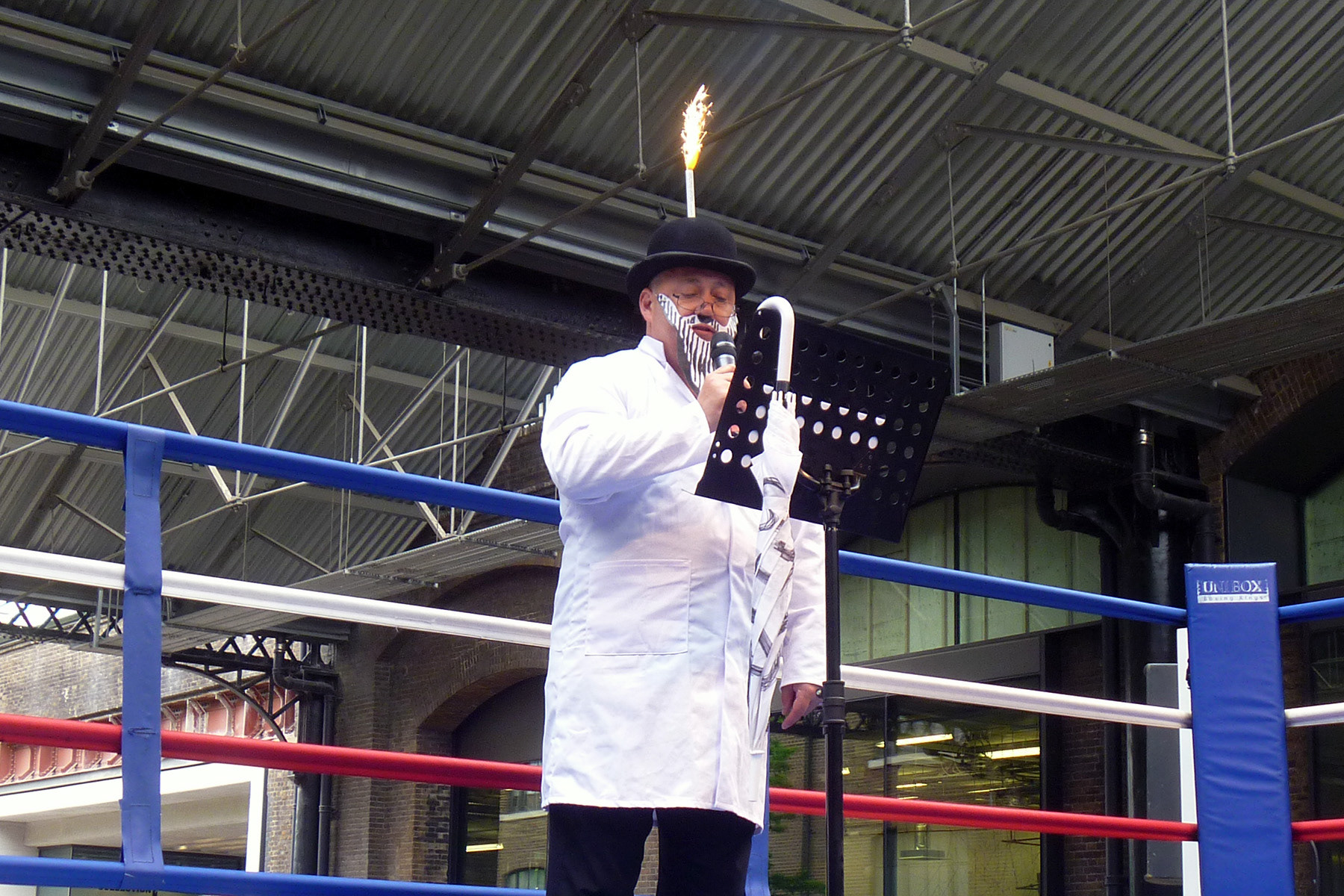
A moment from the 2016 'Instant City Reloaded' event
for piano solo #2
In 1995, the work was extended with the support of Theatre Alibi and the South West Theatre Consortium New Writing Fund. It comprised:
• the original for piano solo;
• Entr'acte (Intermission), a showing of René Clair film of the same name, with live piano accompaniment from Dave Holland. Satie's score for Entr'acte consists of segments of repeated bars and was the first music written to align with the action of a film. Titled Cinéma, it was his last work;
• Avant-Dernières Pensées (Last-But-One Thoughts), a new performance sequence. In 1898, Satie could no longer afford to live in Montmartre and he moved to Arcueil-Cachen, an outlying suburb to the south of Paris. After his death in 1925, his friends forced his door to reveal 'an immense spider's web, an Aladdin's cave'. It was as if you were 'stepping inside the composer's brain'. These images informed the work.
• the original for piano solo;
• Entr'acte (Intermission), a showing of René Clair film of the same name, with live piano accompaniment from Dave Holland. Satie's score for Entr'acte consists of segments of repeated bars and was the first music written to align with the action of a film. Titled Cinéma, it was his last work;
• Avant-Dernières Pensées (Last-But-One Thoughts), a new performance sequence. In 1898, Satie could no longer afford to live in Montmartre and he moved to Arcueil-Cachen, an outlying suburb to the south of Paris. After his death in 1925, his friends forced his door to reveal 'an immense spider's web, an Aladdin's cave'. It was as if you were 'stepping inside the composer's brain'. These images informed the work.
'Before I compose a piece, I walk round it several times, accompanied by myself.'
Four artist's pages were published in the 'On Foot' issue of Performance Research (Routledge, 2012).
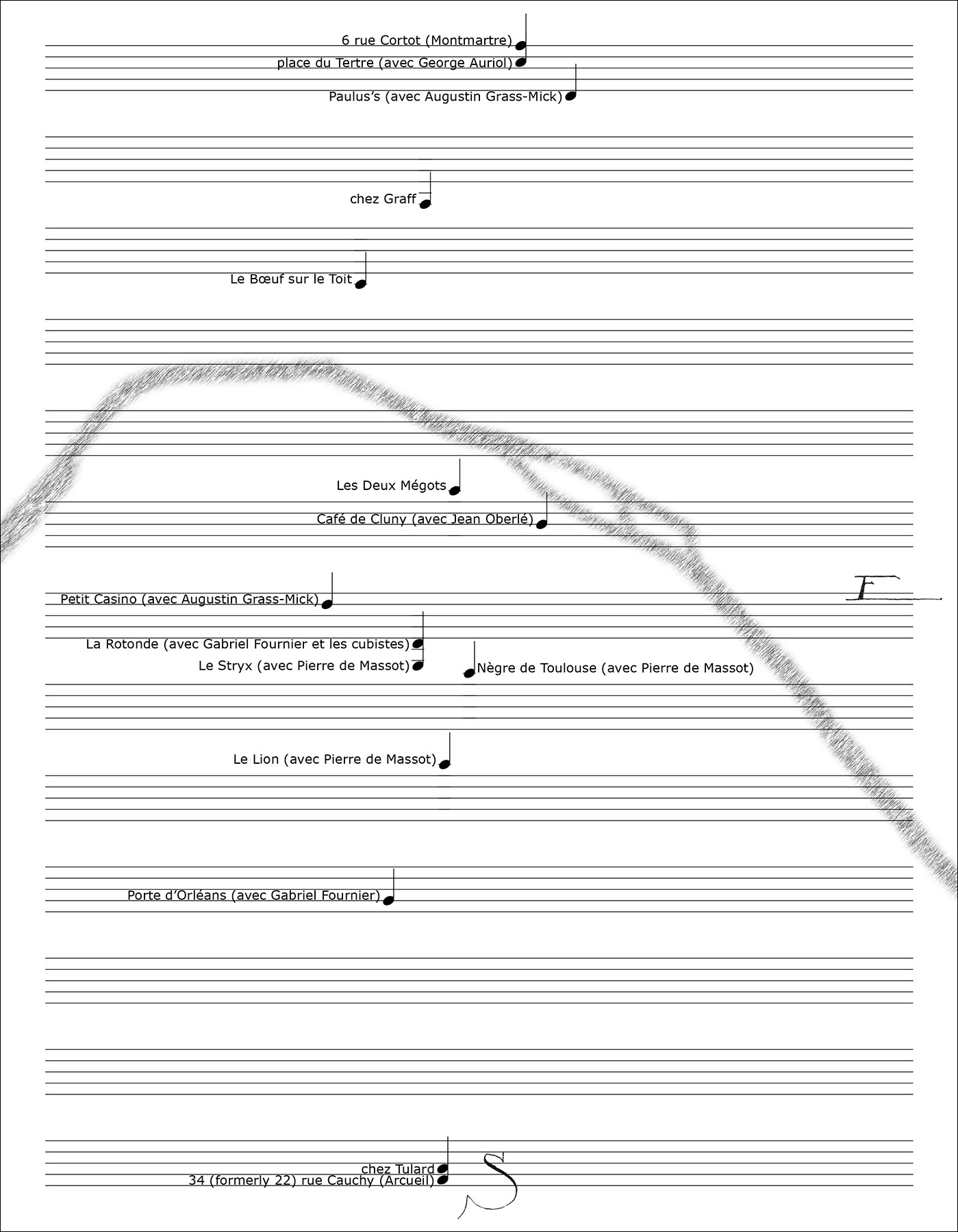
In 1997, working as a core member of the artists' collective Wrights & Sites, I turned to walking as both a research tool and an outcome in its own right. In 1997 and 2003, I started to follow in Satie's footsteps, retracing parts of his long daily walks into and out of central Paris. I returned to Paris in September 2011 and attempted to piece together his nocturnal 10km walk home from Montmartre to Arcueil, walking and pausing, in Satie-fashion, under streetlights and in bars and cafés to compose my journal contribution.
There are five pathways through the artist's pages below: my own previous encounters with Satie; musings on walking and drinking with Satie by his contemporaries; thoughts about the spatial/architectural properties of Satie's music; Satie in his own words; and, my 2011 pilgrimage. All touch on the relationship between walking and composition.
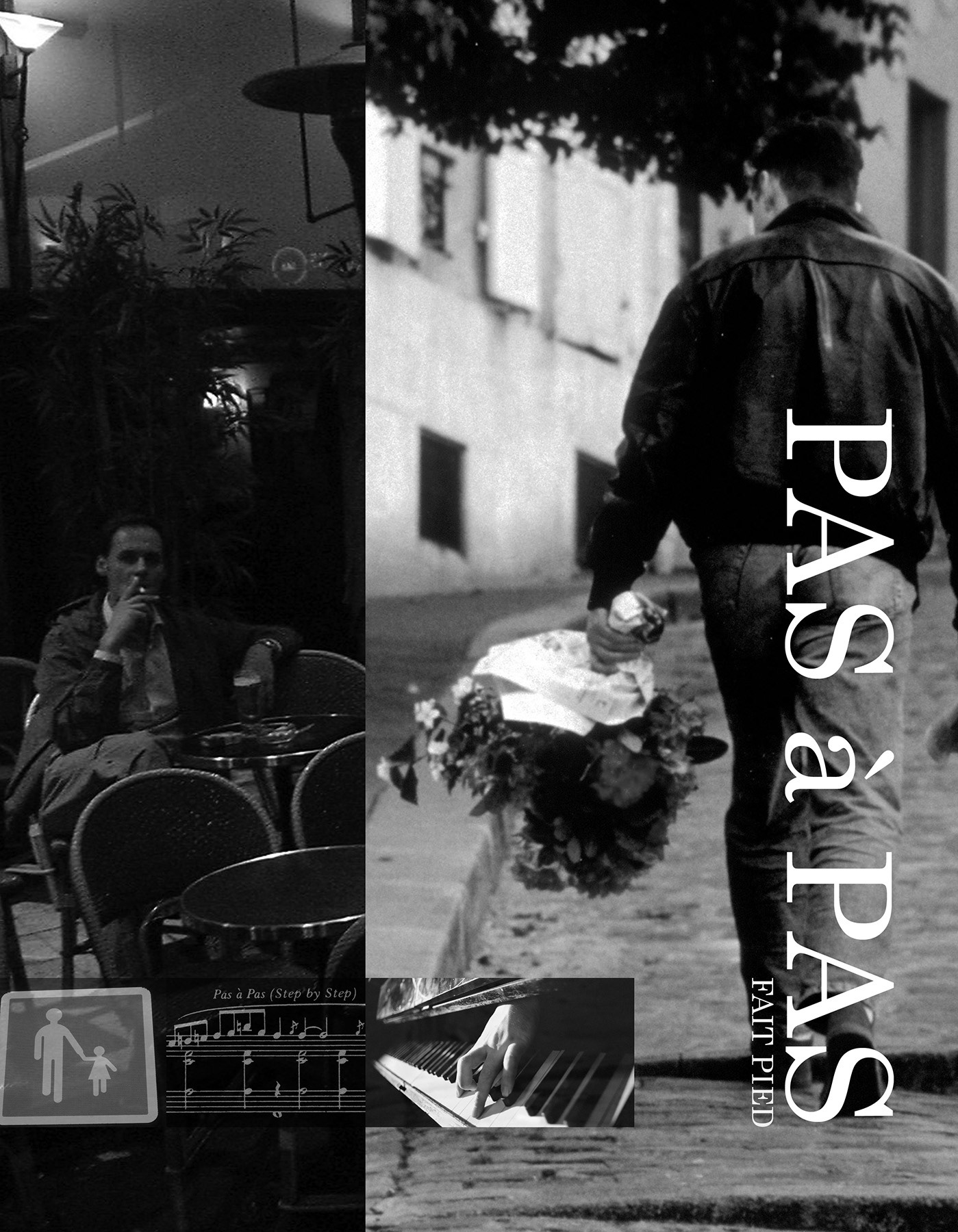
We think of much music (in both its transcription and performance) as 'fait main' (made by hand), but in Satie's case might we just as easily suggest his work be 'fait pied' (made by foot)? Listen to his music and you will hear his footsteps.
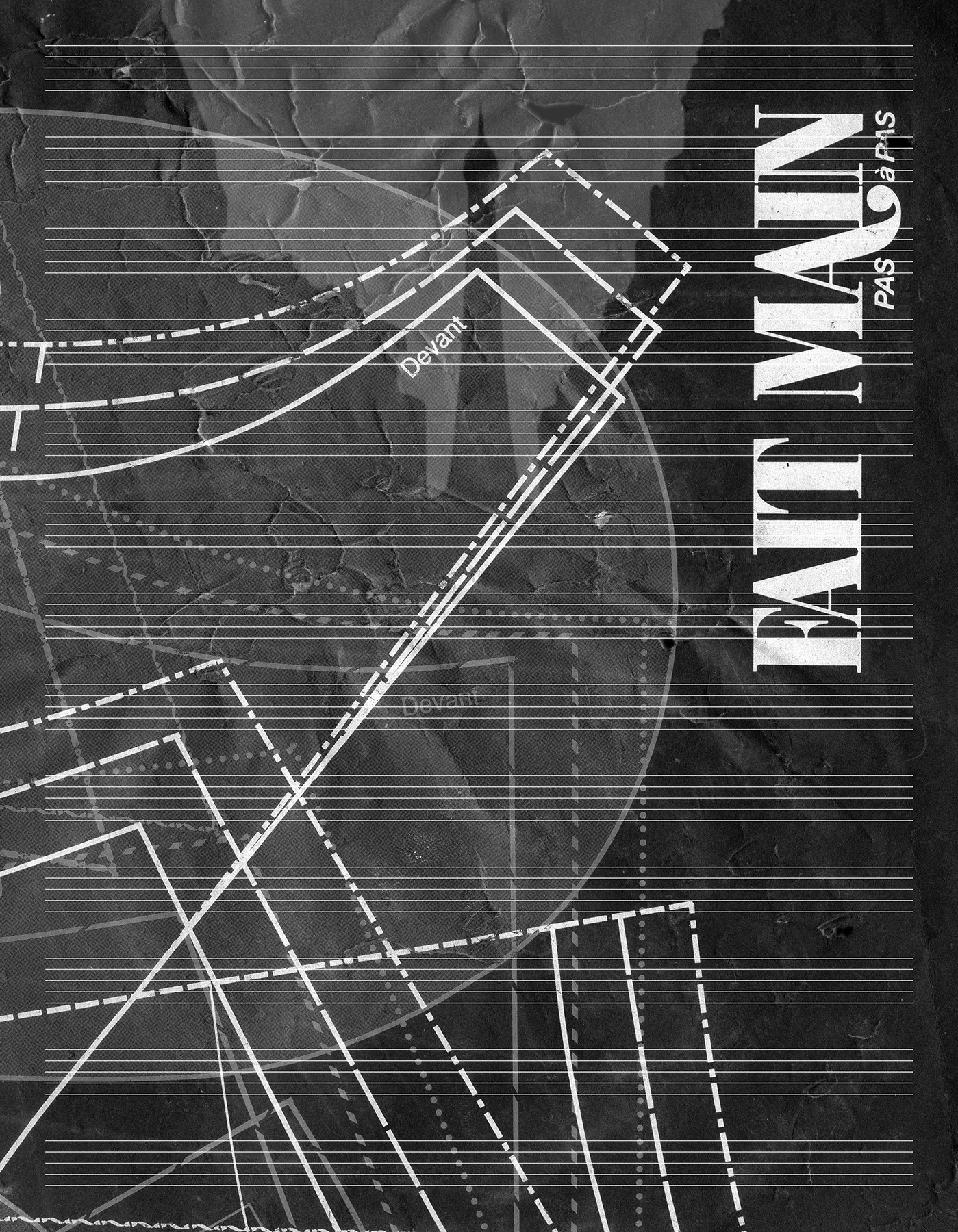
Performance Research page #1
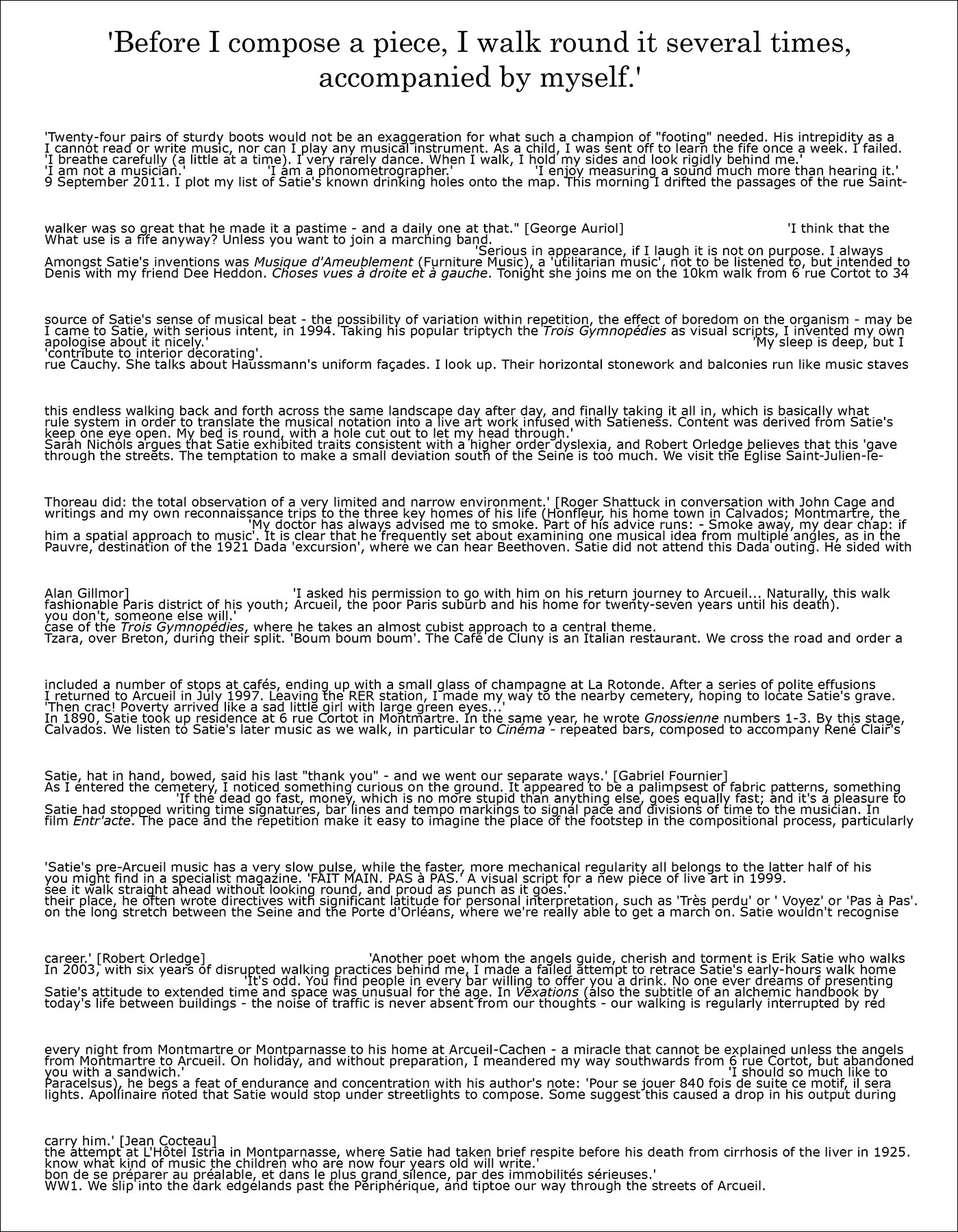
Performance Research page #2
Performance Research page #3
Performance Research page #4
step by step: a manifesto from beyond the périphérique
In 2016, I contributed a new performance about Satie's Dada connections to the 12-hour 'Instant City Reloaded' event marathon in a boxing ring outside of London's Central Saint Martins. The event celebrated the 100th anniversary of the birth of Dada, and was organised by Zurich's University of the Arts and Cabaret Voltaire.